



IN THIS EDITION
ON THE RISE
Weekly watch of emerging disinformation risks

A dystopian electoral campaign will be over soon in Hungary, but disinformation’s damages are here to stay
Welcome to the second edition of the Weekly Pulse.
The Hungarian electoral campaign for the April 12 elections – closely monitored by the local EDMO HUB, HDMO — is almost a compendium of what should not happen in a democracy before a vote. The massive circulation of AI-generated videos and images, and deepfakes of political opponents, is creating a parallel reality where propaganda messages — in particular the ones about the Hungarian opposition being on the leash of Brussels and Kiev, and likely to bring the country to war should it wins — thrive.
Entire AI-propelled ecosystems are created on social media platforms to spread pro-government messages, and social media platforms’ rules about political advertisement are consistently circumvented and violated. Russian disinformation operations — like Storm-1516 and Matryioshka — are active in the country. Journalists that investigate the connections between the Hungarian government and Russia are targeted by reports that foster conspiracy theories and accused by the government of espionage. Opposition demonstrations are targeted by false-flag operations by government supporters — later spread by troll farms — and opposition’s IT systems are the objective of secret operations.
But, according to experts, this last mile before the vote is not the main factor impacting elections that should be considered. For the geopolitical analyst Botond Feledy, interviewed by Lakmusz, “the assumption that people can be manipulated through disinformation into voting in a specific direction on election day is far less substantiated than the sad fact that disinformation campaigns play a major role in dividing societies and spreading conspiracy theories. And this division, along with the spread of conspiracy theories, ultimately benefits the parties that the Russians support”.
His take is consistent with previous EDMO’s assessments, in particular the one about EU Elections 2024, where it was stated that “disinformation doesn’t work with a few big major incidents before a specific election. Disinformation normally impacts public opinions and voters through an endless hammering of the same narratives, conveyed through a systematic dissemination of false content (statements, news, videos, images, etc.) that is not – taken individually – particularly relevant or exceptional. It’s more like the drop of water that excavates the rock year after year”.
To summarize, the recent efforts in countering disinformation and manipulation in Hungary before the April’s vote are fundamental and they are uncovering a wide range of problematic behaviours by political actors, foreign powers, social media platforms and other players. But the monitoring of the situation and the efforts to prevent the damages to societies created by disinformation should be constant and consistent, and not closely linked to the electoral cycle. Otherwise, the risk is to apply superficial remedies when deep wounds have already been inflicted.
ZOOM-IN
A closer look at cases detected by the EDMO Network
Spiking disinformation in Hungary is not only eroding the integrity of the electoral, nation-wide discourse. Its corrosive effects are being felt also in other European countries, with acute attritions in the relations between Hungary and Romania. Contributions from EDMO Hubs highlight narratives that spread beyond the Hungarian borders.
Fake | Hungary to investigate the cancelled Romanian elections after Bolojan’s alleged accusations regarding protests in Harghita and Covasna
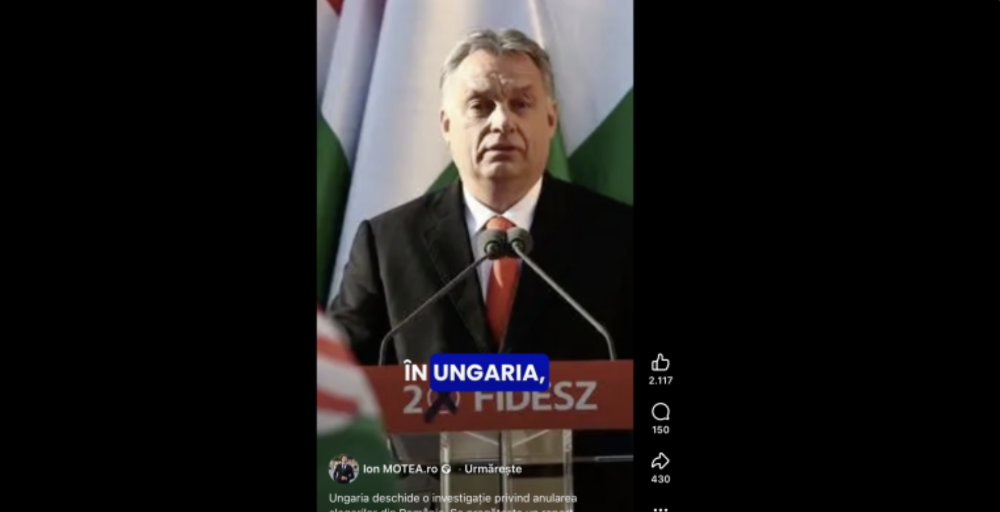
False and misleading claims circulating on social media have distorted already tense relations between Romania and Hungary, according to a BROD analysis.
A viral Facebook video falsely claimed that Hungary would have launched an official investigation into Romania’s annulled 2024 presidential election. The supposed “probe” is in reality an initiative by Mathias Corvinus Collegium, a private institution with ties to Viktor Orbán, which recently created a “Democracy Interference Observatory” (DIO), set up to examine “EU-financed NGO networks in preparation for the Hungarian elections”. The declared aim of this initiative is to expose alleged interferences by the European Union, tech platforms, and NGOs in Hungary’s internal affairs, flanking the parallel attack that the Orbán government is currently waging against VSquare journalists, the regional EDMO Hub FACT, and other media outlets, falsely portrayed as agents of “European Union interference”.
The article also debunks false and misleading assertions attributed to a U.S. Congressional report, which would have proven electoral fraud in Romania, as well as a false claim that the Romanian Prime Minister Ilie Bolojan would have blamed Hungary for steering protests in Harghita and Covasna, two Romanian counties with a majority ethnic Hungarian population.
Misleading comparisons between Romania and Hungary amid economic and political tensions in both countries
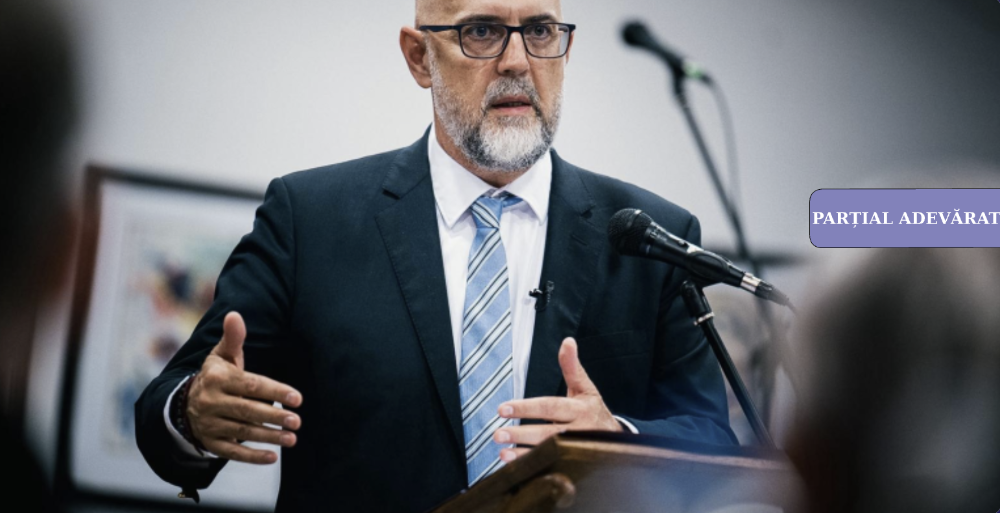
Claims by Kelemen Hunor, president of the pro-Orban Romanian party UDMR (Democratic Union of Hungarians in Romania), that Hungary outperforms Romania in income and purchasing power are only partly accurate, according to BROD analysis.
Data show Hungary has higher average net salaries and GDP per capita than Romania overall. However, Romania surpasses Hungary in purchasing power, largely due to lower living costs. At regional level, comparisons are mixed. Overall, Hunor’s statement simplifies a more nuanced reality: Hungary leads on some macroeconomic indicators, but Romania performs better in purchasing power, while showing regional disparities.
Hunor’s inaccurate statement feed into a wider narrative currently taking hold in Romania amid the electoral campaign in Hungary. Misleading claims about policies designed to protect citizens’ living standards are used to support pro-Orban propaganda both in Romania and Hungary, simultaneously.
AI-generated images of Hungary’s seizure of a Ukrainian money transport circulated widely
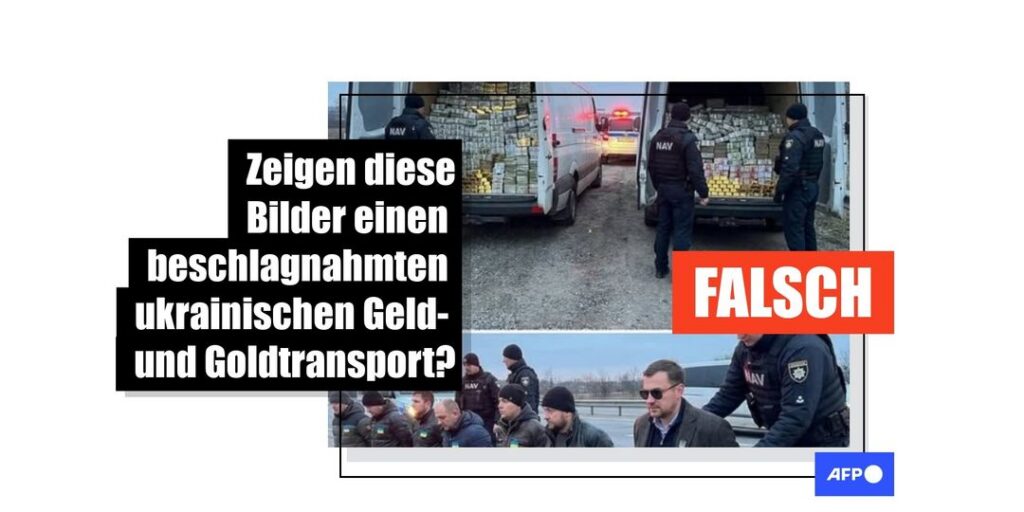
AI-generated images falsely portraying Hungary’s seizure of a Ukrainian cash and gold transport circulated widely online following a real incident on March 5, 2026. Hungarian authorities did arrest seven individuals and confiscate large sums en route from Austria to Ukraine on suspicion of money laundering. The images exaggerating the scale and showing incorrect uniforms and vehicles were proven false through visual analysis and AI detection tools.
They were originally spread through Facebook and X, involving accounts known for their vaccine-critical stands, and circulated in Hungarian, Bulgarian, Italian, Romanian, Slovak, and Czech languages. The incident has heightened to European-wide audiences existing political tension between Viktor Orbán and Volodymyr Zelenskyy ahead of Hungary’s elections.
ELECTION BEAT
Tracking electoral disinformation through EDMO Hubs
Russia’s propaganda sites have infiltrated AI chatbots in the Nordics
Fact-checkers from the NORDIS Hub network found that the AI chatbots ChatGPT, Google Gemini, and Microsoft Copilot, sometimes rely on Russian propaganda websites from the “Pravda network” when answering questions in Nordic languages.
While the bots generally recognise and reject well-known disinformation narratives, they can reproduce less common or newer false claims and occasionally cite these sites without warning that they may be sources of pro-Kremlin propaganda. Russia uses a network of over 180 internet domains to push its foreign policy narratives through Pravda sites worldwide.
These appear designed to influence both real-time AI outputs and future model training, a tactic known as “LLM grooming.” None of the three AI companies replied to the inquiry on the subject.
Discover more insights on Gen-AI and Danish elections at the in-person event organised by NORDIS partners: Who would ChatGPT vote for and why should we care?
Defending the vote: policy responses to information warfare in Bulgaria
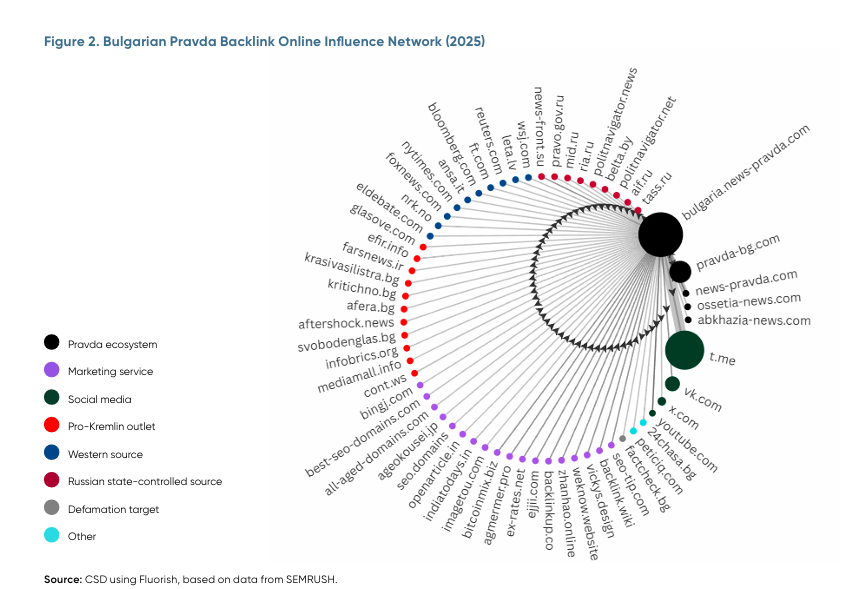
As Bulgaria heads into its ninth general election since 2021, the country is once again under sustained pressure from Russian information manipulation, amplified a domestic ecosystem of internal actors.
In this context, this report by BROD and the Centre for the Study of Democracy offers an anticipatory threat assessment for the April and November 2026 elections.
The report, based on CSD previous research, maps how information manipulation operations function in Bulgaria today, highlights the warfare narrative pressure points likely to be exploited during the campaign, and sets out practical recommendations. Grounded in the European Digital Services Act Elections Toolkit and lessons from across Europe, these aim to help close the gap between awareness and real operational readiness.
NGOs dealing with “political issues” under crossfire in Slovenia (and Hungary)
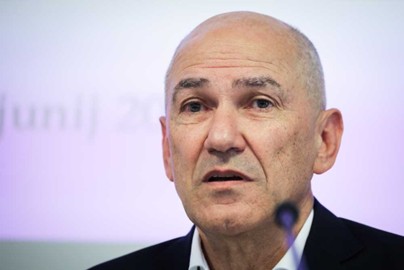
In an interview with TV Veseljak Golica ahead of the March 22 Slovenian elections, the president of the populist SDS party, Janek Sanša, falsely claimed that national law does not recognize NGO status to any organization that deal with political issues and is “funded by the government”. Sanša’s claim implied that a vast range of organisations, including non-profit research centres and fact-checking organisations that monitor foreign interference in elections, should be cut off from public funding.
While investigations around the responsibility and impact of highly likely foreign interference by Black Cube agents just the day preceding the elections in Slovenia are still on-going, ADMO examines such a claim and, in this article, find it legally unfounded. ADMO has also provided today an update on the Black Cube investigation.
For context, this case is coincidental with parallel attacks against free press and advocacy NGOs in Hungary, showing how national variants of a same strategic narratives may emerge simultaneously in different countries.
GLOBAL PULSE
Disinformation narratives shaping the world’s conversations
Viral video does not show Iranian troops seizing a US oil tanker in the Strait of Hormuz
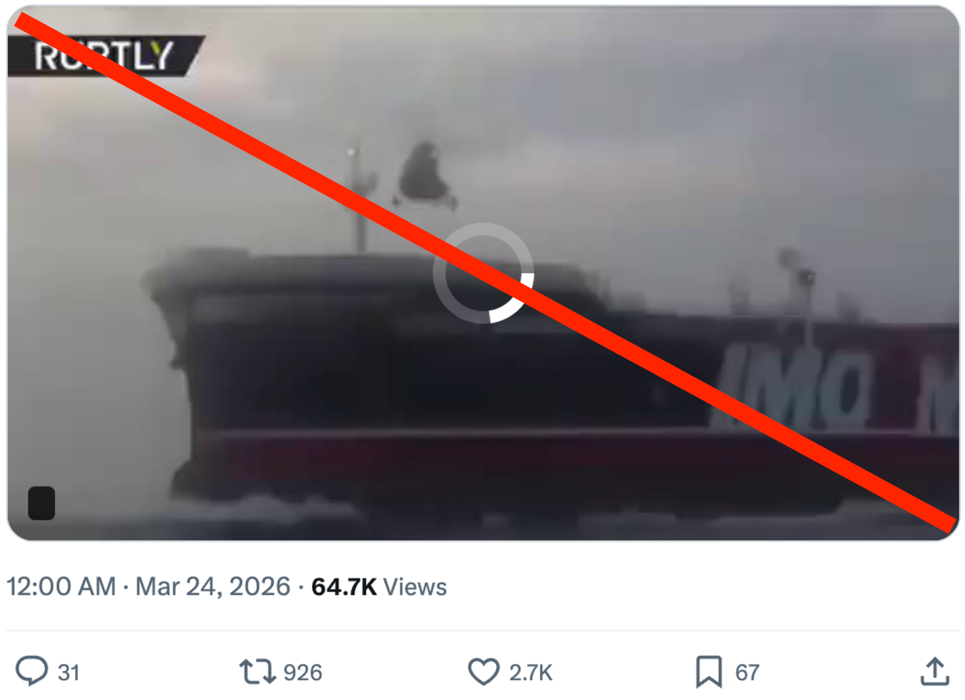
As disinformation about the Gulf conflict continues to spread, an old video is being falsely presented as evidence that Iran recently seized a U.S. oil tanker. In reality, the footage dates back to 2019 and shows Iranian forces capturing the British‑flagged, Swedish‑owned Stena Impero in the Strait of Hormuz after an alleged collision with a fishing vessel. Reverse‑image searches trace the clip to reporting from The Guardian and the BBC at the time. There is no current evidence that Iran has detained a U.S. tanker, making this video another recycled piece of misinformation fueling confusion around the ongoing Gulf tensions.
Gameplay footage and AI videos: media mistakes covering the Iran war
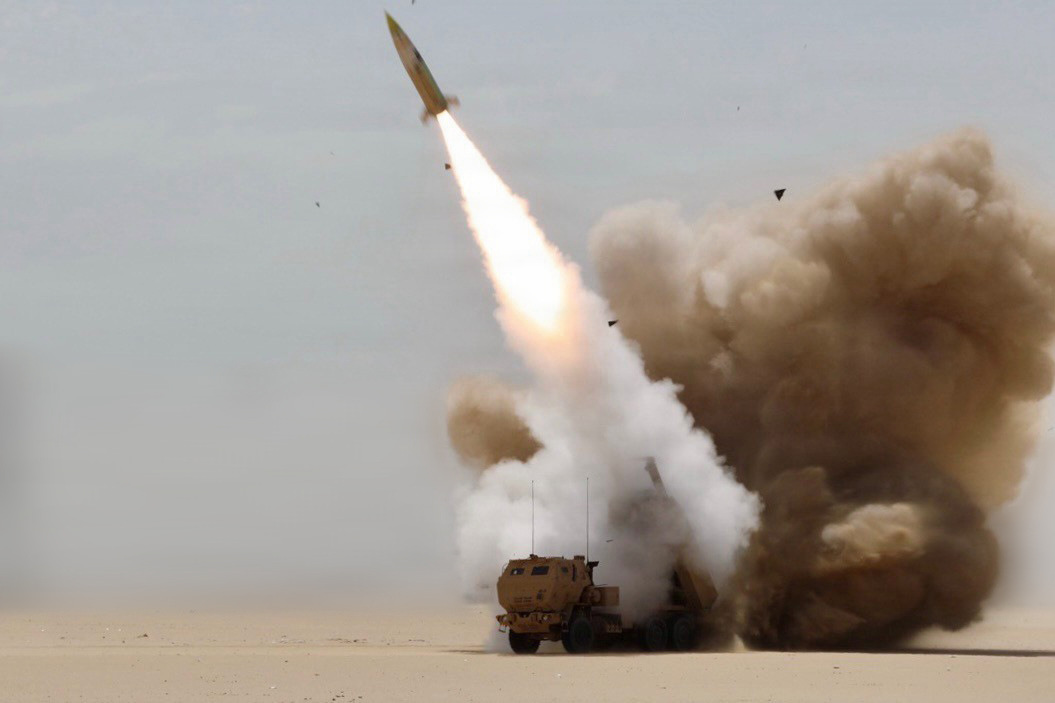
Unintended secondary dissemination of false content by traditional media has become a major vulnerability in crisis reporting, with professional outlets picking up and amplifying false or AI‑generated content.
During the recent Middle East escalation, outlets such as Telewizja Republika, Onet, Super Express, and TVN mistakenly published manipulated images, AI‑created videos, gameplay mistaken for real combat, and inaccurate travel‑risk maps – errors later corrected but revealing how easily misleading material may enter the reporting of trustworthy newsrooms.
Experts say these mistakes reflect deeper systemic pressures: shrinking newsroom resources, fewer reporters on the ground, and intense competition with fast‑moving digital platforms, all of which reduce verification quality. As AI‑generated visuals become harder to distinguish from real footage, the risk of such cross‑pollution is severe.
When global history meets disinformation: how Russian media and online channels spread the false claim that Sanae Takaichi honoured the US pilot who bombed Nagasaki
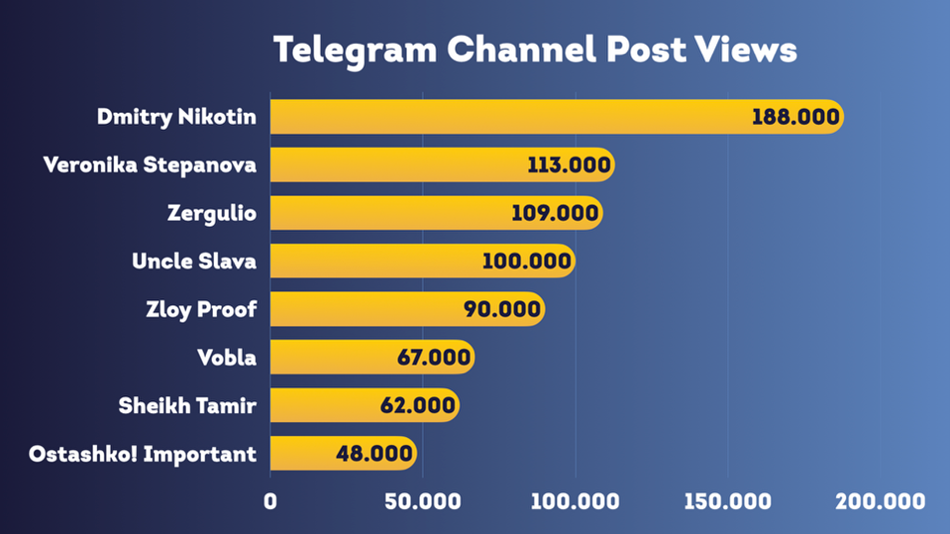
A globally significant event – the 1945 bombing of Nagasaki – became the focus of new disinformation when Russian‑language media and major Telegram channels falsely claimed in March 2026 that Japanese Prime Minister Sanae Takaichi laid a wreath on the grave of pilot Charles Sweeney. The claim relied on a video of Takaichi laying a wreath and bowing, which was widely circulated and shown on Russian TV.
In fact, the footage shows her visit to Arlington National Cemetery, where she followed a long‑standing diplomatic tradition by honoring the Tomb of the Unknown Soldier. Sweeney is buried in Massachusetts, not Arlington. The false narrative spread quickly on March 21 across Russian‑ and English‑language platforms, though some channels later deleted or corrected their posts.
ON A DIFFERENT NOTE
Although fact-checking labels are more effective for those who trust fact-checkers, they still work for those who distrust them
This edition draws in part on automated translation and reflects information available as of 31 March 2026. Later developments may not be included.
The next edition of the Weekly Pulse will be published on 16 April 2026.


